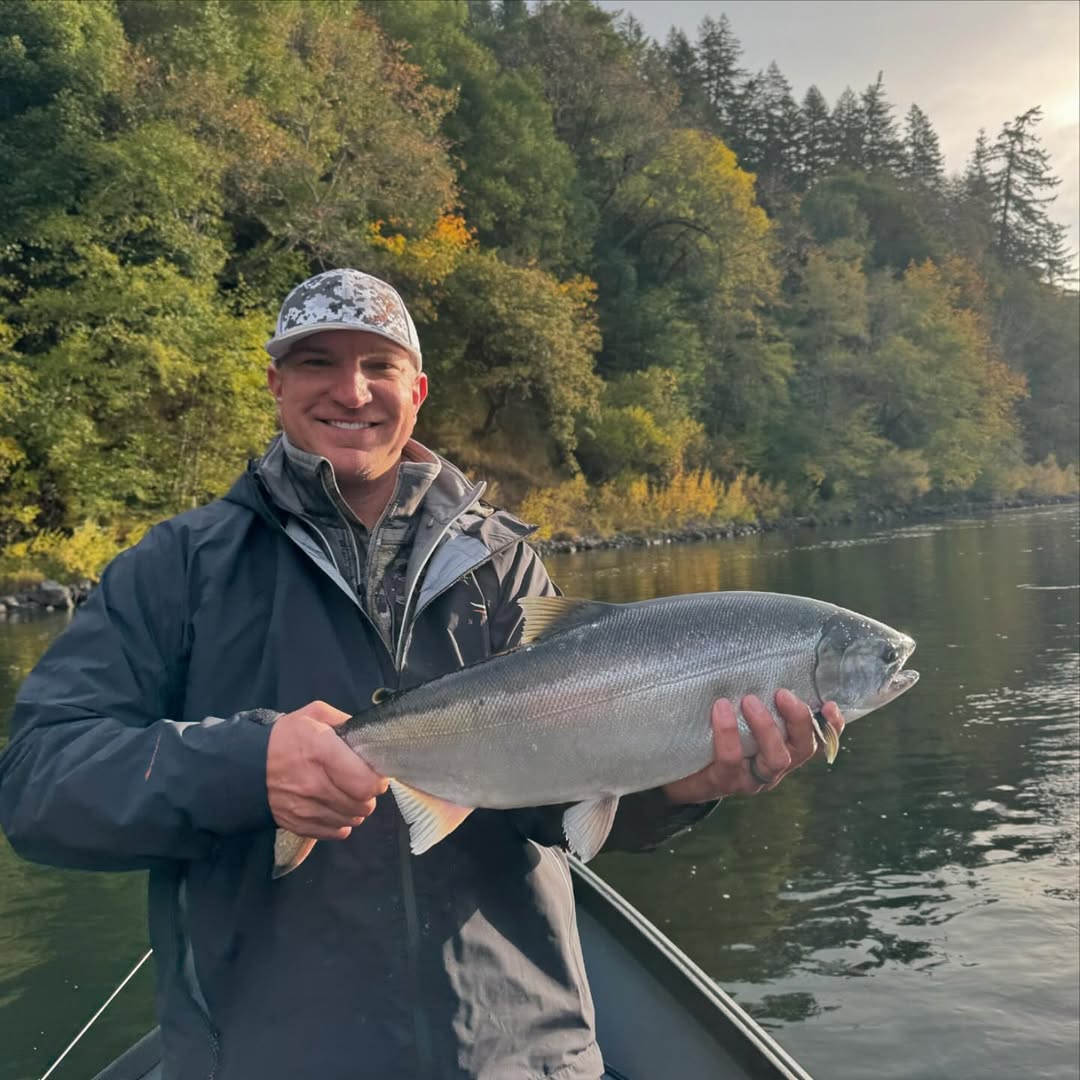
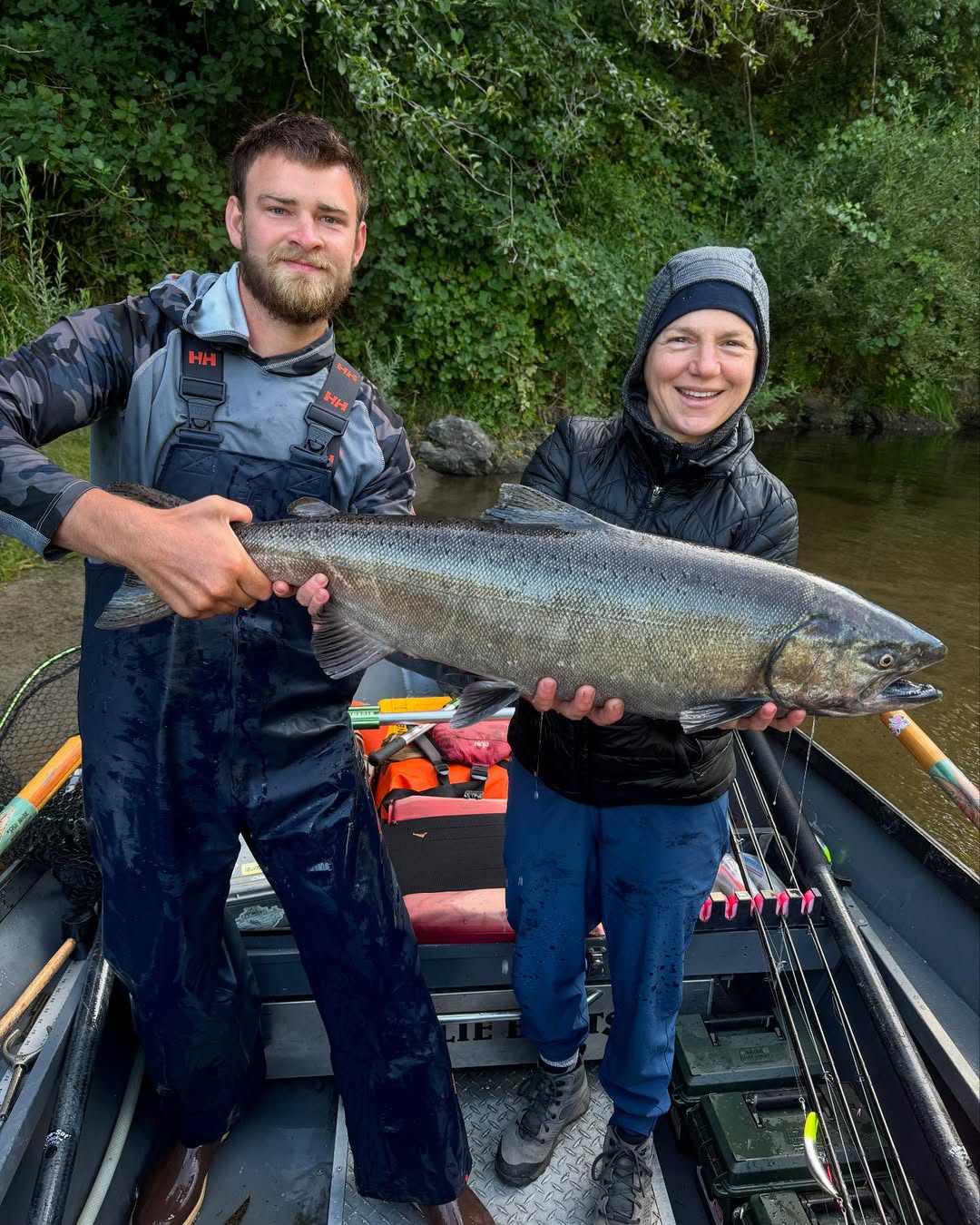
%2Ffit-in%2F250x250%2Fusers%2Fb99902d8-f96b-4658-81e6-89ce367ceaf6%2Fimages%2Fad24dc9a-f266-45de-ae9b-2c0120f9f050.jpg&w=1200&q=100)
Winter Family Fishing on the Rogue River
- Published Date: December 5, 2025
- Fishing
- Myrtle Creek, OR, United States
- Updated Date: December 20, 2025
Summary
%2F%2Fusers%2Fb99902d8-f96b-4658-81e6-89ce367ceaf6%2Fratecard%2Fsnapinsta.to_483184804_17852085267406622_4436548634170745890_n-miqyqrs5.jpg&w=1200&q=75)
Family River Action
Rogue/Umpqua River Winter Family Fishing
Winter fishing on Southern Oregon's legendary rivers doesn't get much better than this. Captain Robles has put together an 8-hour family adventure that's perfect for introducing kids to the art of drift boat fishing while giving parents plenty of shots at chrome-bright salmon and steelhead. Starting at first light with a 7 a.m. launch, you'll spend the day working productive water on both the Rogue and Umpqua systems, covering miles of prime habitat as conditions dictate. This isn't just a fishing trip—it's quality family time on some of the most beautiful water in the Pacific Northwest, with every detail handled so you can focus on what matters most.
What to Expect on the Water
Your day begins in the pre-dawn darkness, meeting Captain Robles at the boat launch as the first hints of light start painting the sky. The drift boat setup is perfect for families—stable, roomy enough for two guests, and designed for comfort during those long winter days. You'll start by working the early morning spots where fish are most active, then continue downstream as the day progresses, hitting different types of water depending on what's producing. The captain keeps things relaxed and educational, especially with younger anglers on board. He'll show kids how to feel the bottom with their gear, recognize a fish bite versus a snag, and handle a rod when that first salmon or steelhead decides to make a run. For parents, there's plenty of opportunity to dial in your technique while the kids are engaged with simpler presentations. The pace stays comfortable throughout the day, with time built in for snacks, bathroom breaks, and those inevitable tangles that come with teaching kids to fish.
Gear and Techniques
All your tackle comes provided, which is a huge relief for families traveling from out of state or those just getting started in river fishing. Captain Robles runs a mix of techniques depending on conditions and what the fish are responding to. You'll likely see everything from bobber and jig setups—perfect for kids to master—to more advanced techniques like back-bouncing and side-drifting for the adults. The captain carries different rod weights to match each angler's skill level, so nobody's overwhelmed trying to handle gear that's too heavy or technical. Winter river fishing is all about reading water and adapting to conditions, and you'll learn to identify the seams, pockets, and runs where fish like to hold during the colder months. The drift boat allows you to cover water efficiently while staying comfortable, and the captain handles all the rowing and positioning so you can concentrate on fishing. Expect to use a variety of baits and lures throughout the day—everything from cured roe and sand shrimp to spinners and jigs in colors that match the water conditions.
Top Catches This Season
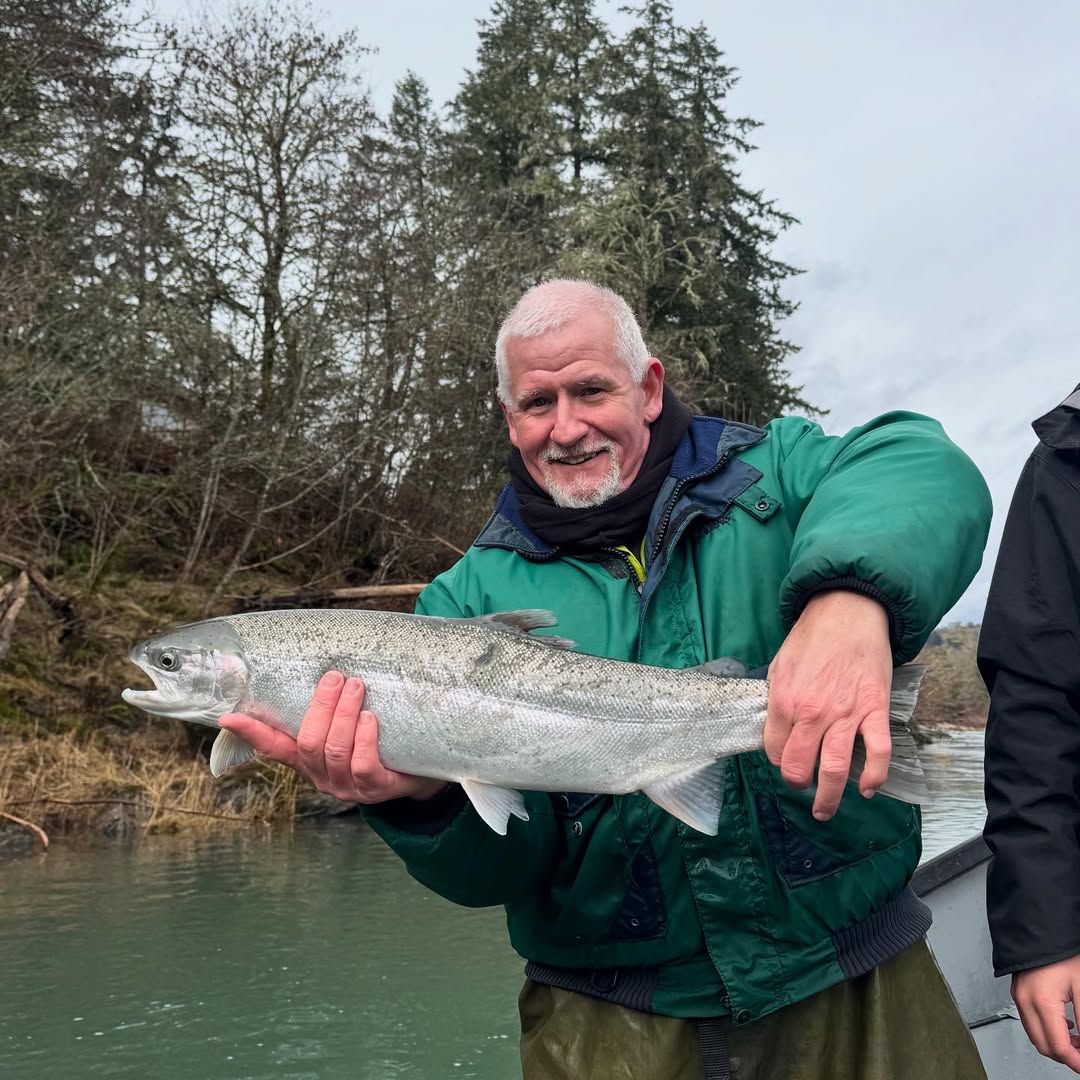
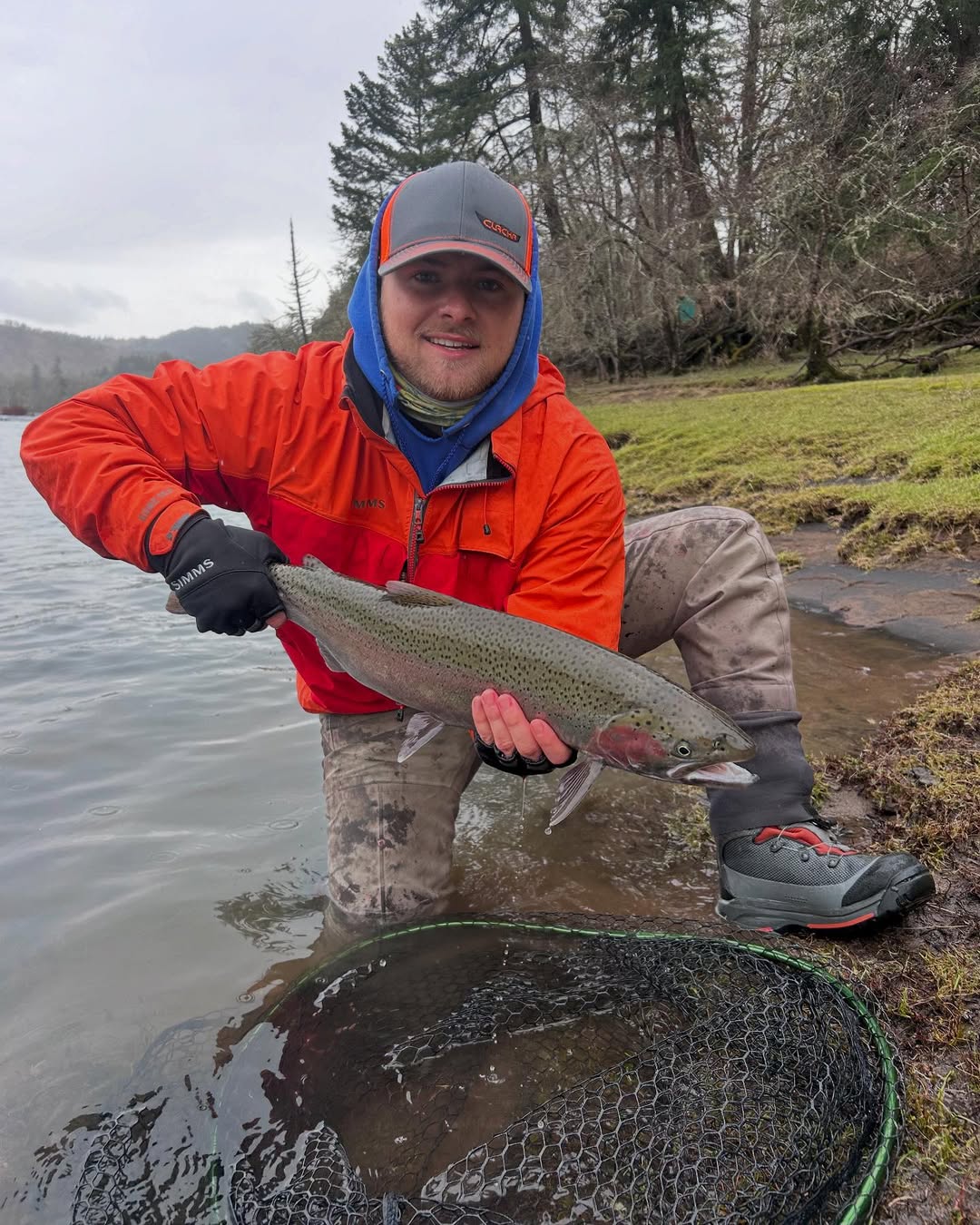
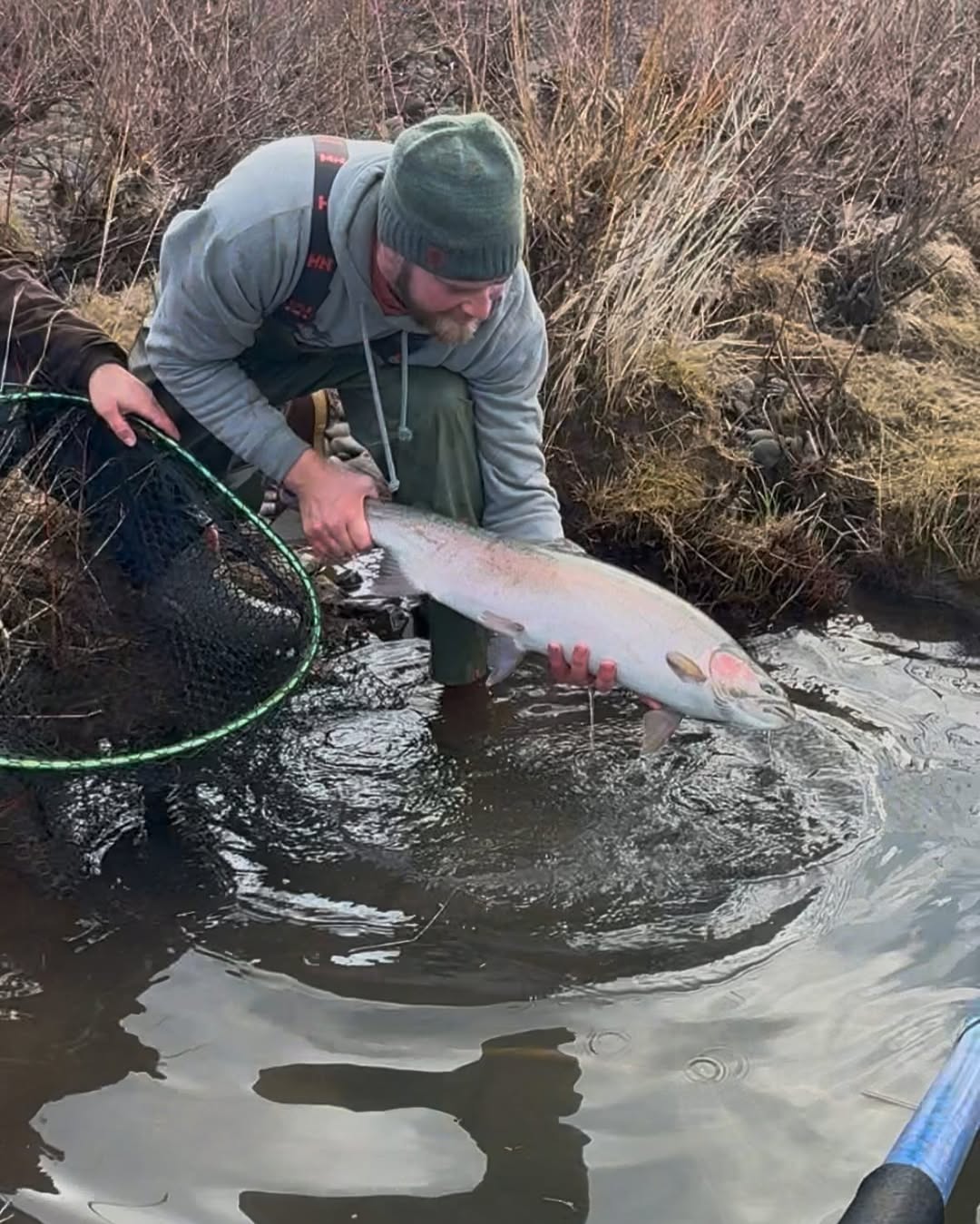
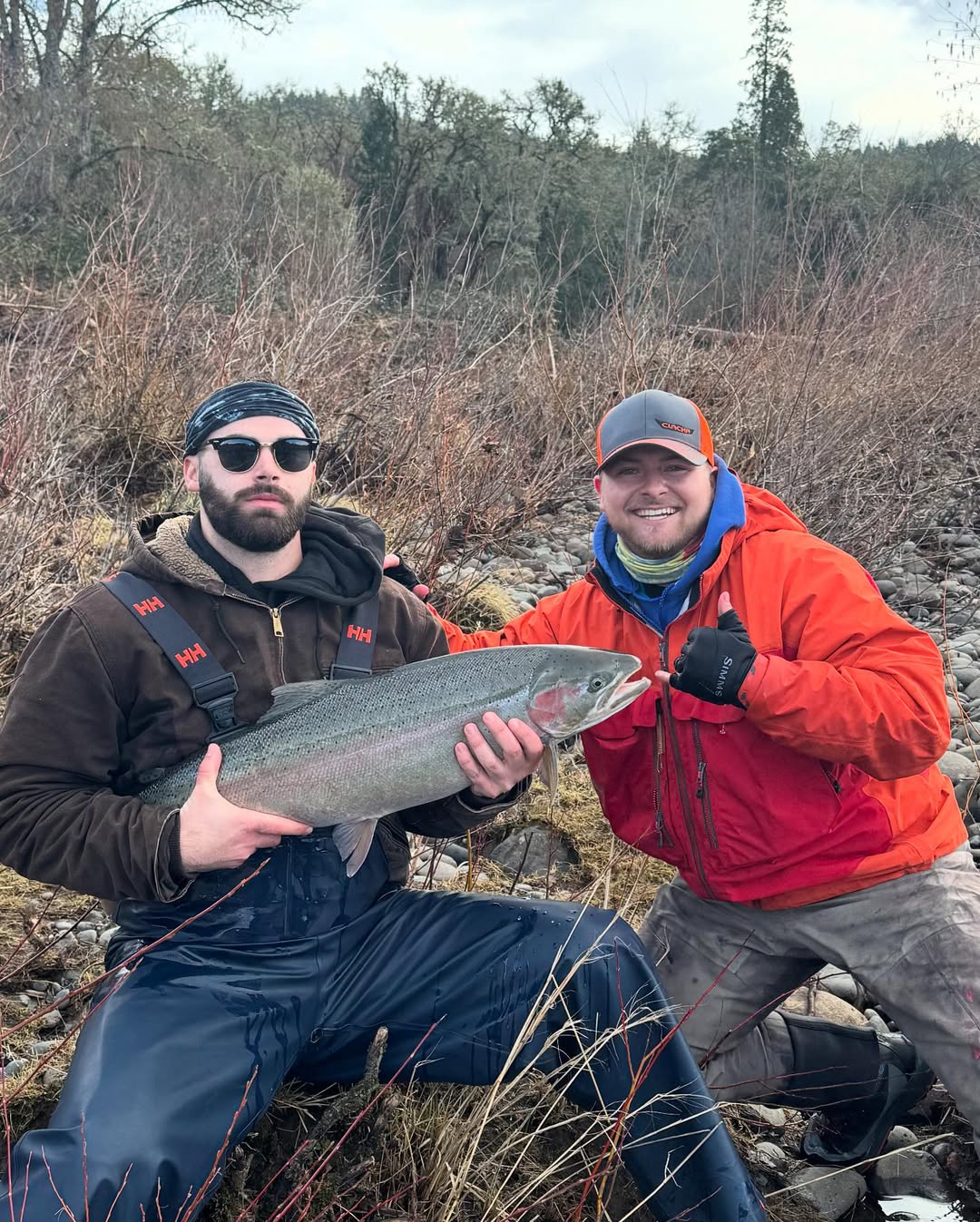
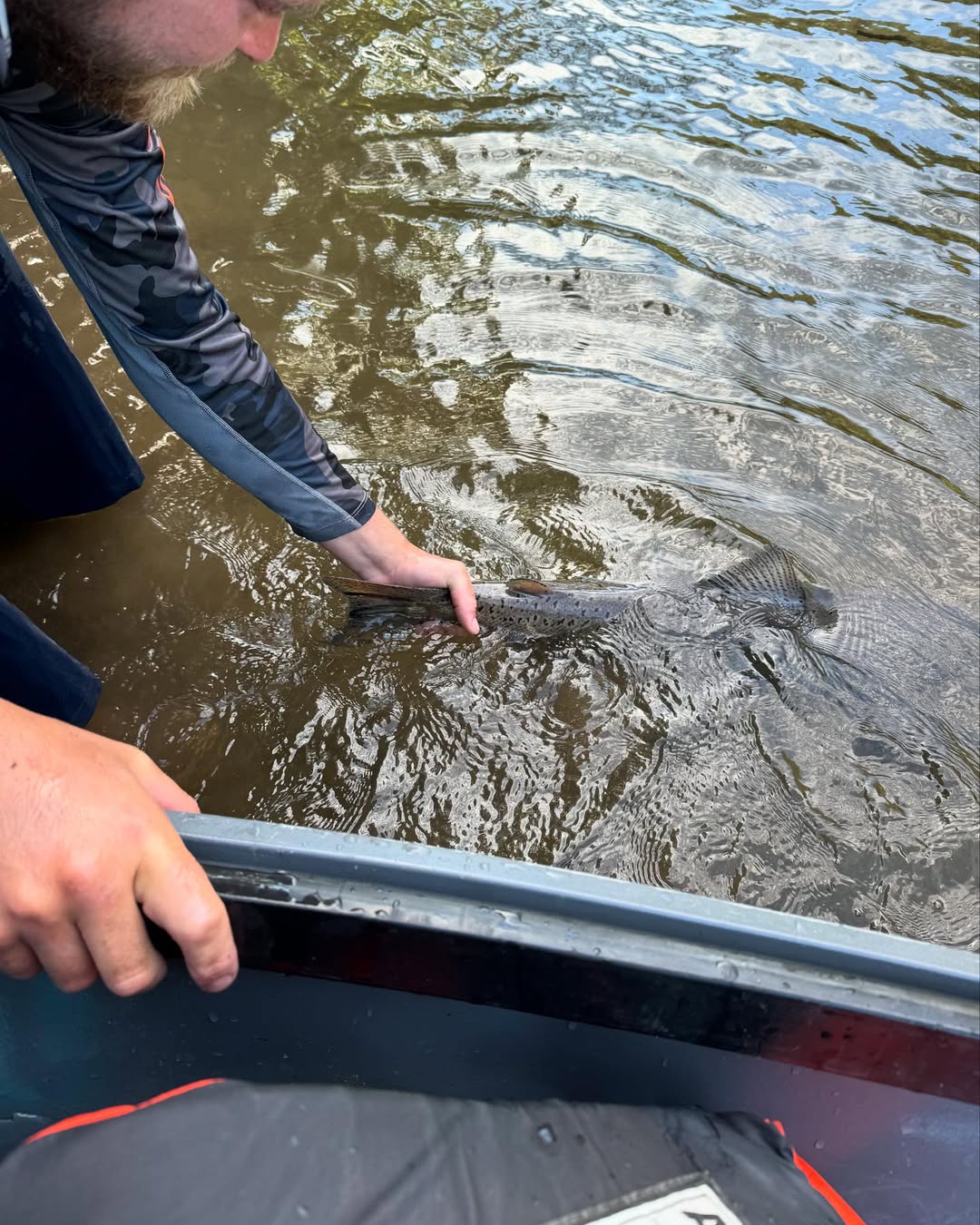
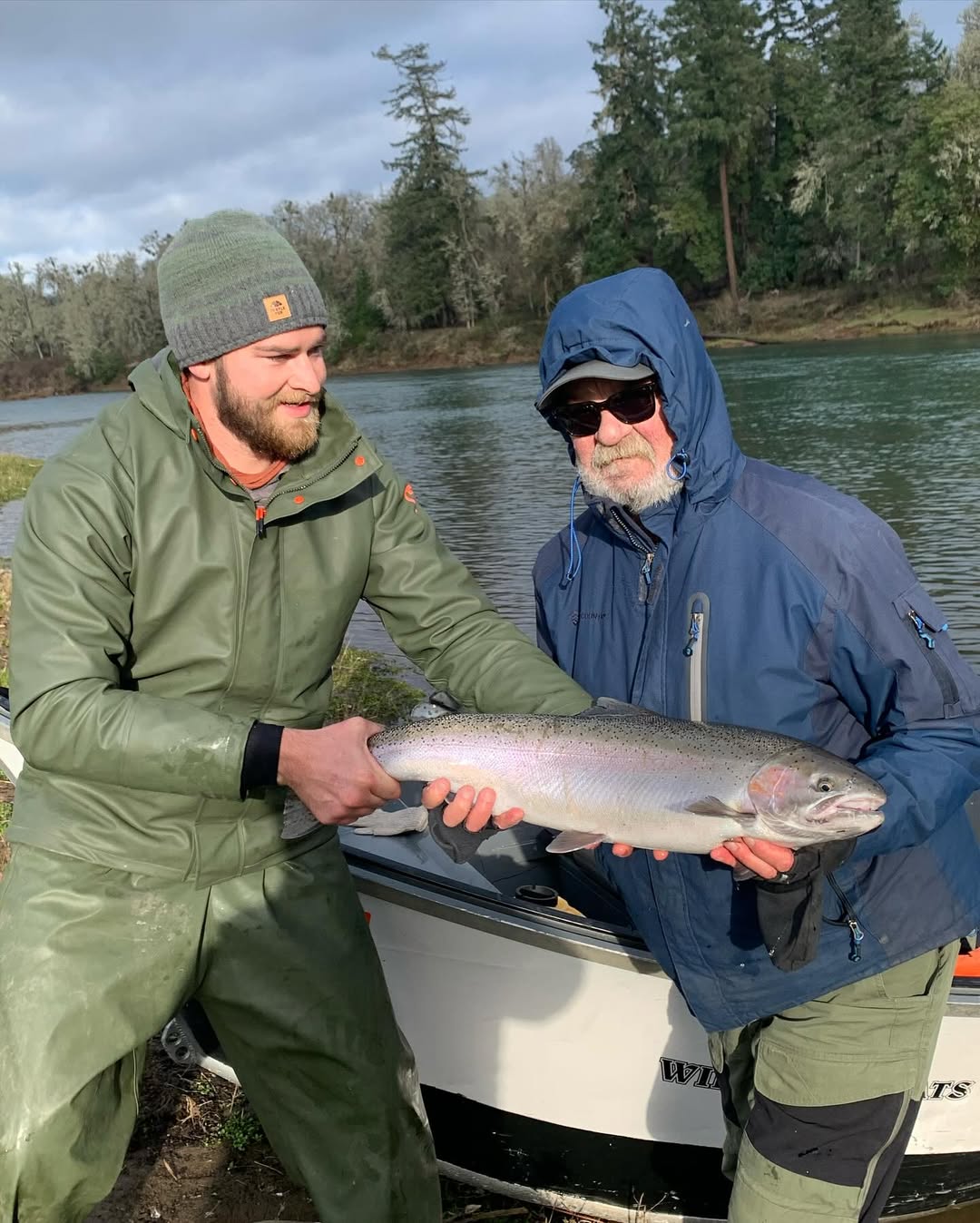
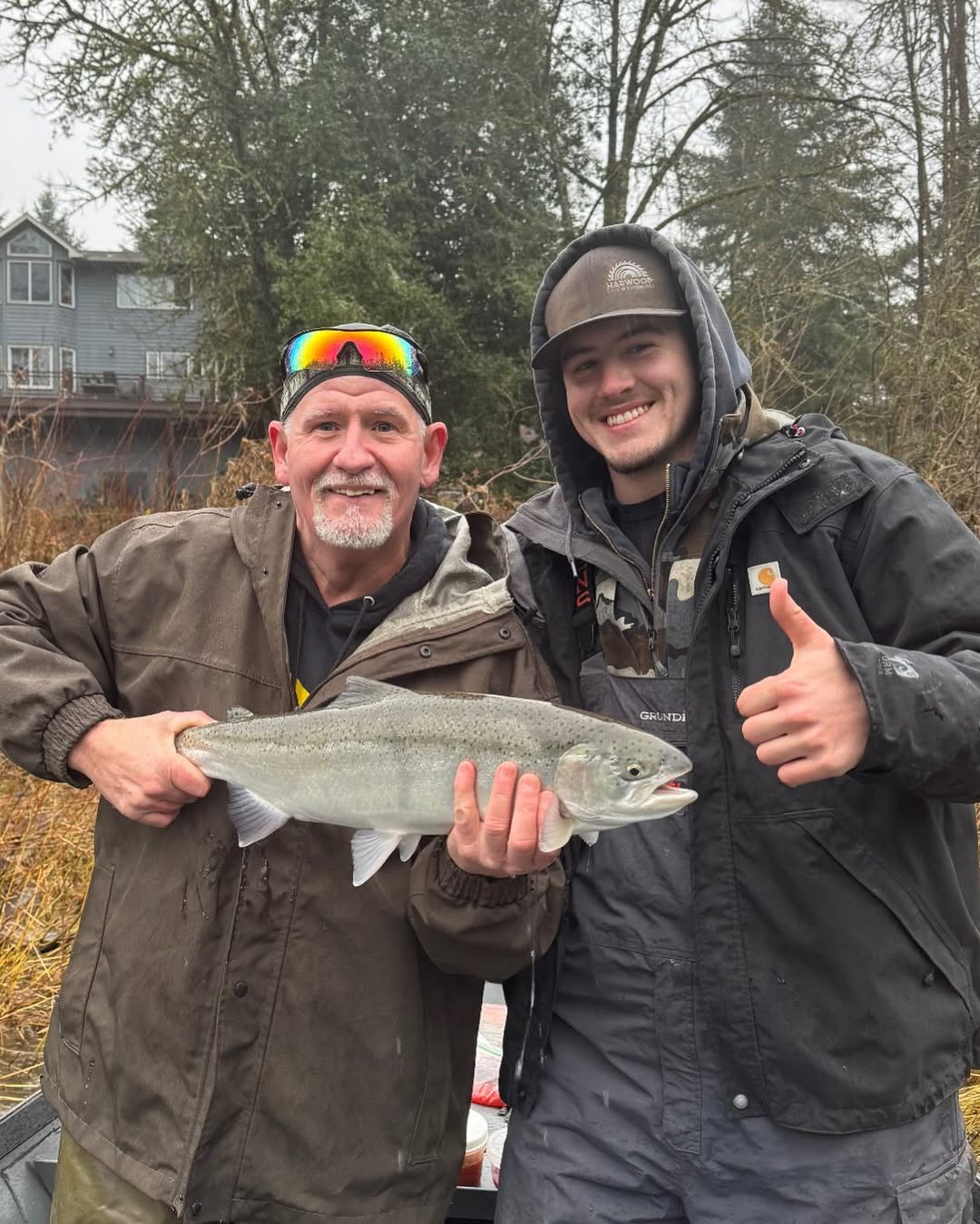
The Rogue and Umpqua rivers during winter offer some of the most diverse fishing opportunities in Oregon. Chinook salmon are the marquee species, with fish ranging from 15 to 40 pounds pushing up from the ocean throughout the fall and winter months. These fish are incredibly strong and will test your tackle and technique when hooked. What makes winter Chinook special is their aggressive feeding behavior—they're actively hunting and more willing to chase presentations than fish that have been in the river for months. Coho salmon provide consistent action with fish typically running 6 to 12 pounds, known for their acrobatic fights and willingness to hit a variety of baits and lures. They're perfect for families because they fight hard but aren't so big that kids can't handle them with some guidance. The real prize, though, is steelhead trout—the fish that river anglers dream about. Winter steelhead on these systems typically range from 6 to 15 pounds, with the occasional fish pushing into the teens. They're incredibly strong for their size, with a fighting style that combines long runs with spectacular jumps. What makes steelhead fishing so addictive is their unpredictability—you might hook one on your first cast or go hours between bites, but when it happens, it's pure magic.
Time to Book Your Spot
This top-rated winter fishing experience fills up quickly, especially during peak season when river conditions are prime and fish are moving in good numbers. The 8-hour format gives you real value—enough time to learn, practice, and hopefully connect with some quality fish without feeling rushed. Captain Robles has built a reputation for patience with young anglers while still delivering the kind of fishing action that keeps parents engaged throughout the day. The trip works for complete beginners as well as experienced river fishermen looking to explore new water with local expertise. Remember that deposits are non-refundable, so make sure your dates work before committing. Winter weather can be unpredictable, but that's part of what makes the fishing so good—fresh water, active fish, and fewer crowds than you'll see during summer months. Whether you're looking to introduce kids to serious fishing or just want to spend quality family time on some of Oregon's most renowned rivers, this trip delivers the kind of memories that last a lifetime.
Learn more about the animals
Chinook Salmon
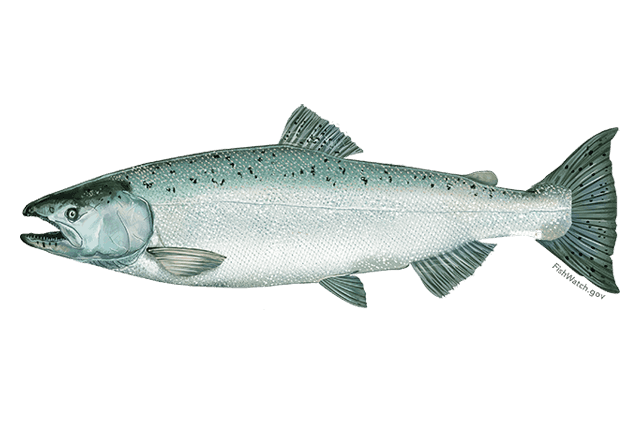
King salmon are the bruisers of the river, averaging 12-25 pounds with some pushing 30+. These silver-sided fighters with black-spotted backs and mouths stay deep in the water column, especially during bright conditions. Winter runs on the Rogue offer solid chances as they move upstream to spawn. What makes chinooks special is their incredible strength combined with excellent eating - that deep red meat is hard to beat. They're sensitive to light, so we focus on deeper holes and runs with good cover. My go-to tip: get your bait or lure down to the bottom and keep it there. These fish won't come up much, but when they grab hold, you'll know it. The early morning bite can be phenomenal when conditions line up right.
Coho Salmon
Silver salmon are the acrobats of the bunch, typically running 8-12 pounds but famous for their aerial shows. These bright silver fish with dark backs love holding in calmer water behind structure - think log jams, boulders, and deeper pools. Winter coho fishing can be outstanding, especially in the morning hours. What guests love most is their fighting spirit - they'll jump clear out of the water multiple times and make screaming runs that test your drag. The meat is excellent too, with that bright orange-red color. They're less bottom-oriented than chinooks, often holding mid-water near cover. Here's a local trick: when you see one jump, there are usually more in the same area. Work that water thoroughly with bright colors like pink or chartreuse.
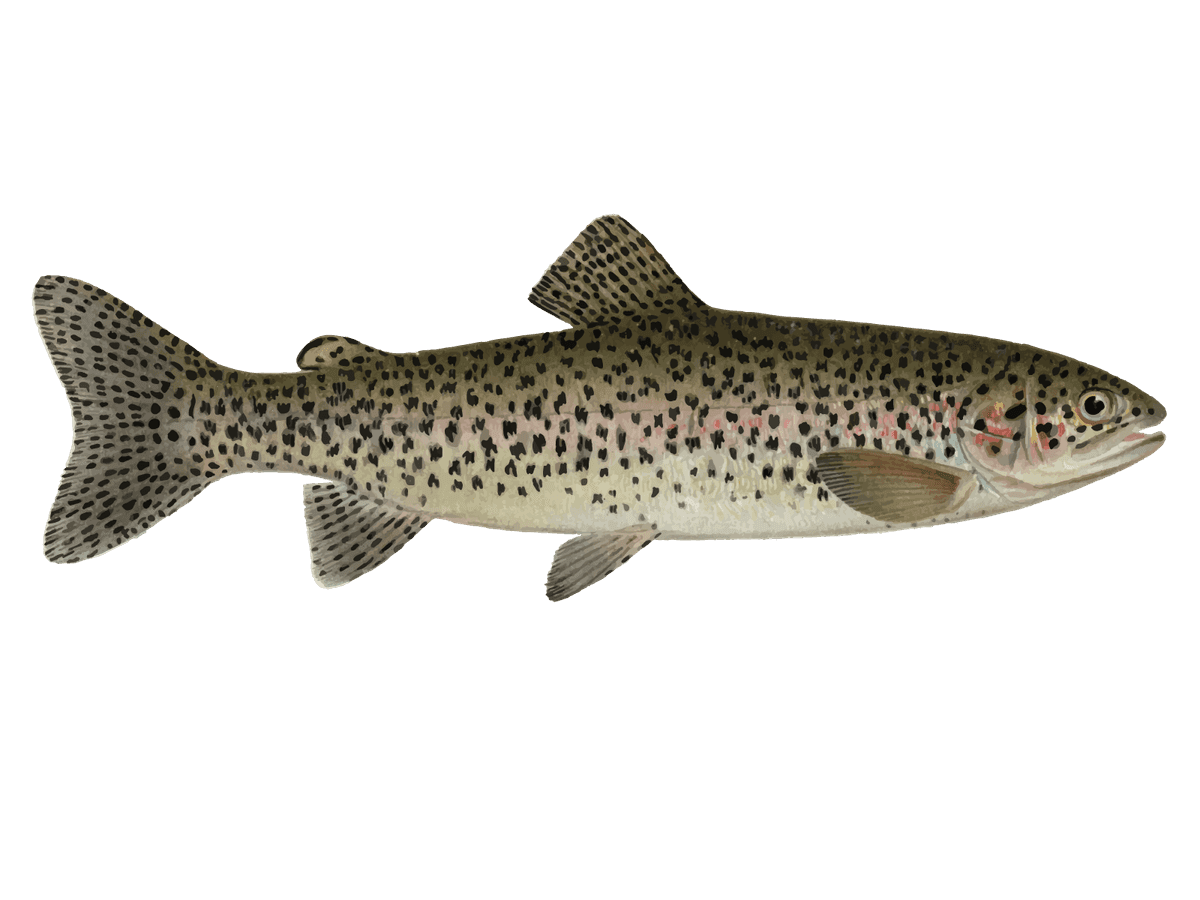
Steelhead Trout
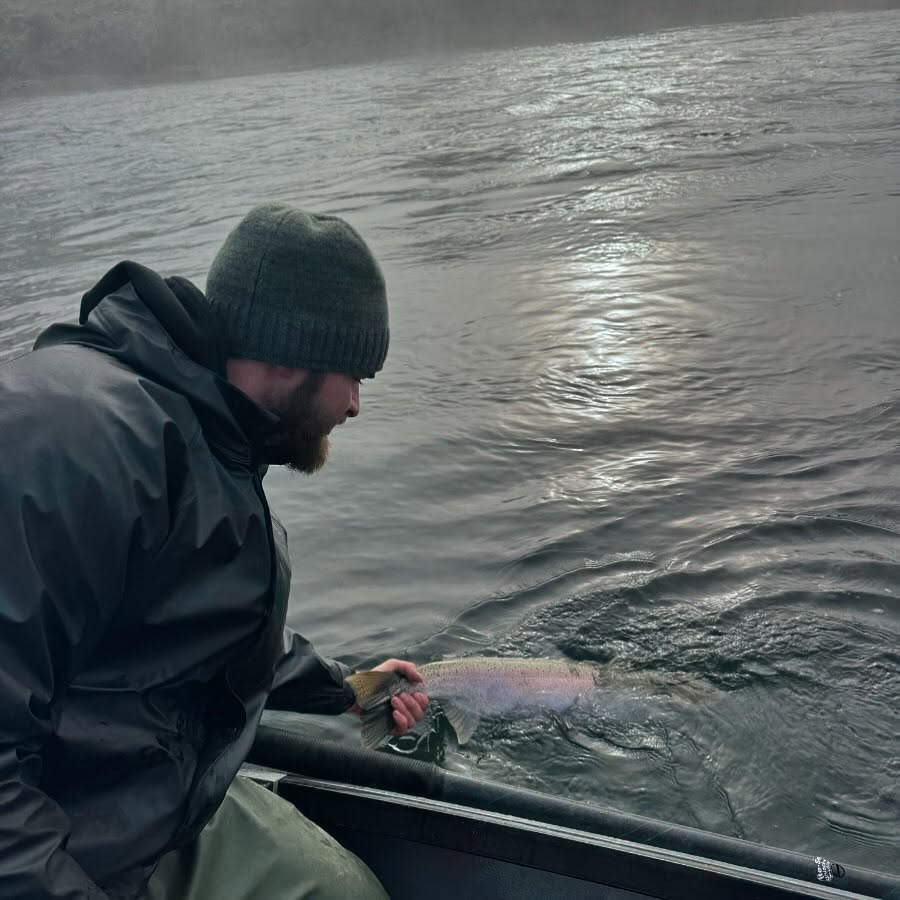
Steelhead are the ultimate river fighters, running 5-15 pounds of pure muscle and attitude. These sea-run rainbows return chrome-bright with incredible stamina that'll test both your gear and patience. They love holding near structure - boulders, undercuts, tailouts of pools where current breaks. Winter steelhead fishing peaks from December through March on the Rogue, with fish spread throughout different water types. What makes them legendary is their fight - long runs, jumps, and that stubborn refusal to give up. The reward is both the battle and excellent table fare. Unlike salmon, steelhead can survive spawning and return to sea. Key tip: focus on water 3-8 feet deep with moderate current. Drift your presentation naturally - steelhead are spooky and will reject anything that looks off.
About the Robles Sport Fishing
%2F%2Fusers%2Fb99902d8-f96b-4658-81e6-89ce367ceaf6%2Fvehicle_picture%2Fsnapinsta.to_476037139_17845864491406622_2946650679886521878_n-miqu5ebo.jpg&w=1200&q=75)
Vehicle Guest Capacity: 2
Manufacturer Name: yamaha
Maximum Cruising Speed: 20
Number of Engines: 1
Horsepower per Engine: 8