%2Ffit-in%2F250x250%2Fusers%2Fb99902d8-f96b-4658-81e6-89ce367ceaf6%2Fimages%2Fad24dc9a-f266-45de-ae9b-2c0120f9f050.jpg&w=1200&q=100)
Rogue River Fishing: 6-Hour Guided Excursion
- Published Date: December 5, 2025
- Fishing
- Myrtle Creek, OR, United States
- Updated Date: December 20, 2025
Summary
%2F%2Fusers%2Fb99902d8-f96b-4658-81e6-89ce367ceaf6%2Fratecard%2Fsnapinsta.to_474902842_17845857222406622_5058396744042647486_n-miqvybln.jpg&w=1200&q=75)
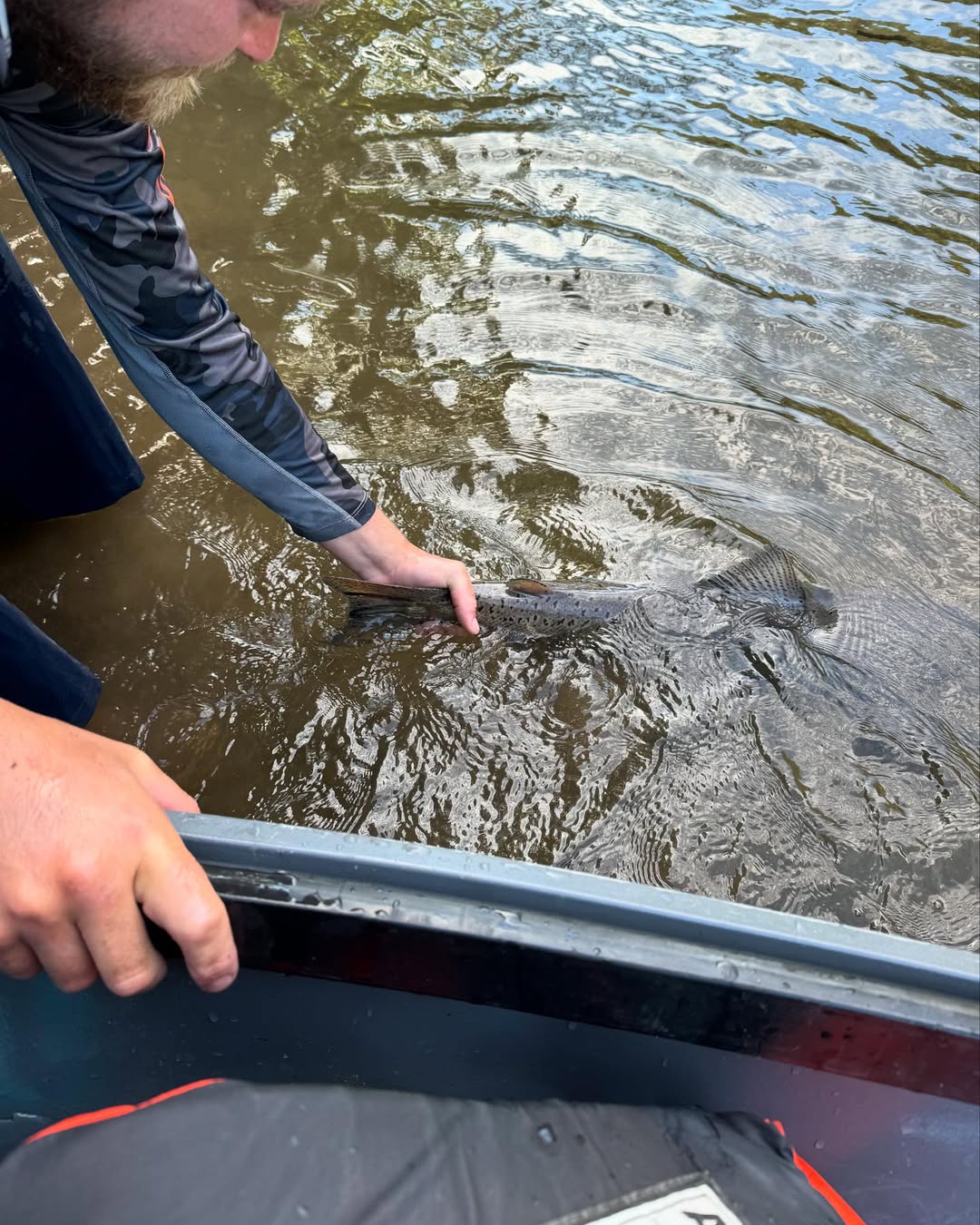
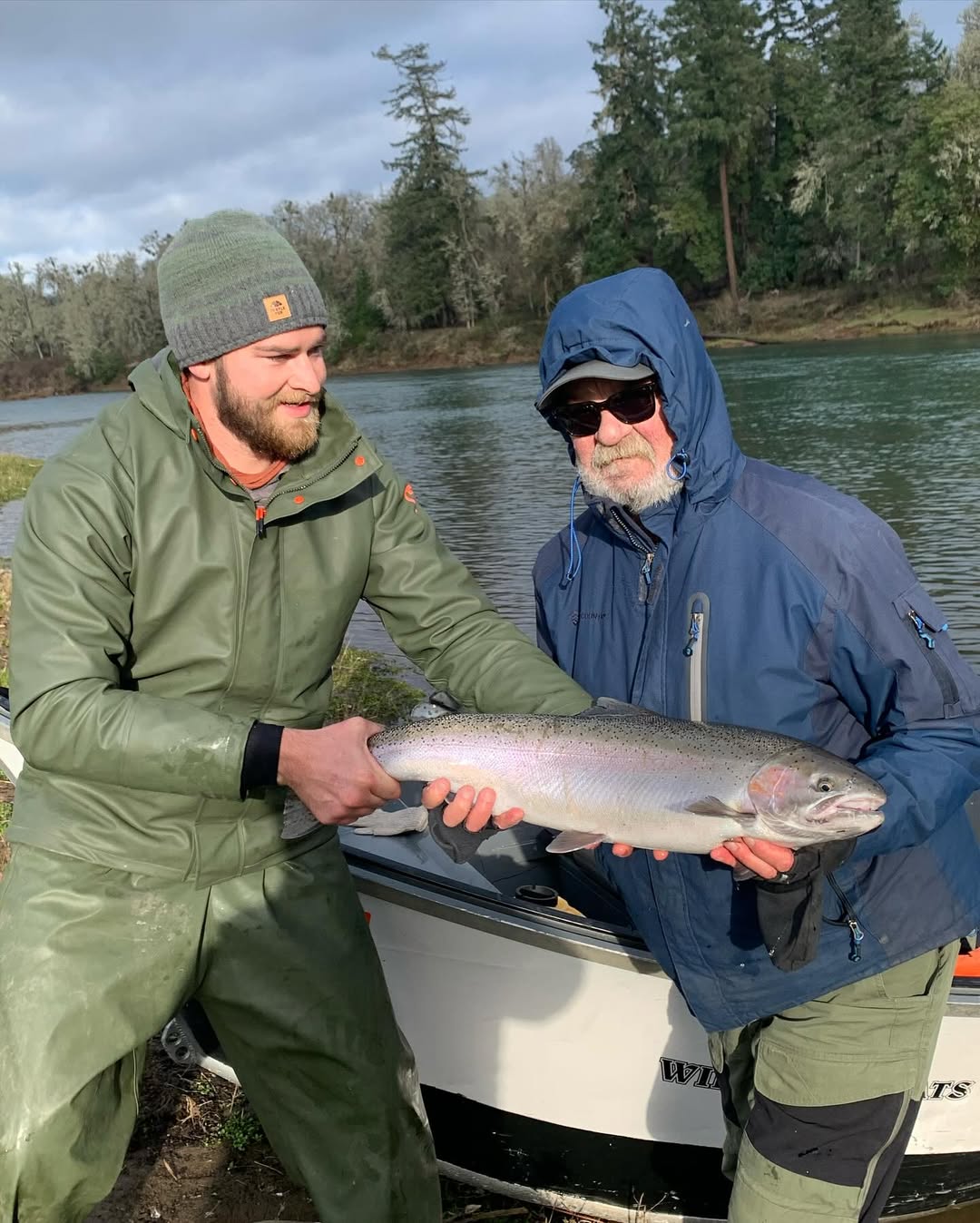
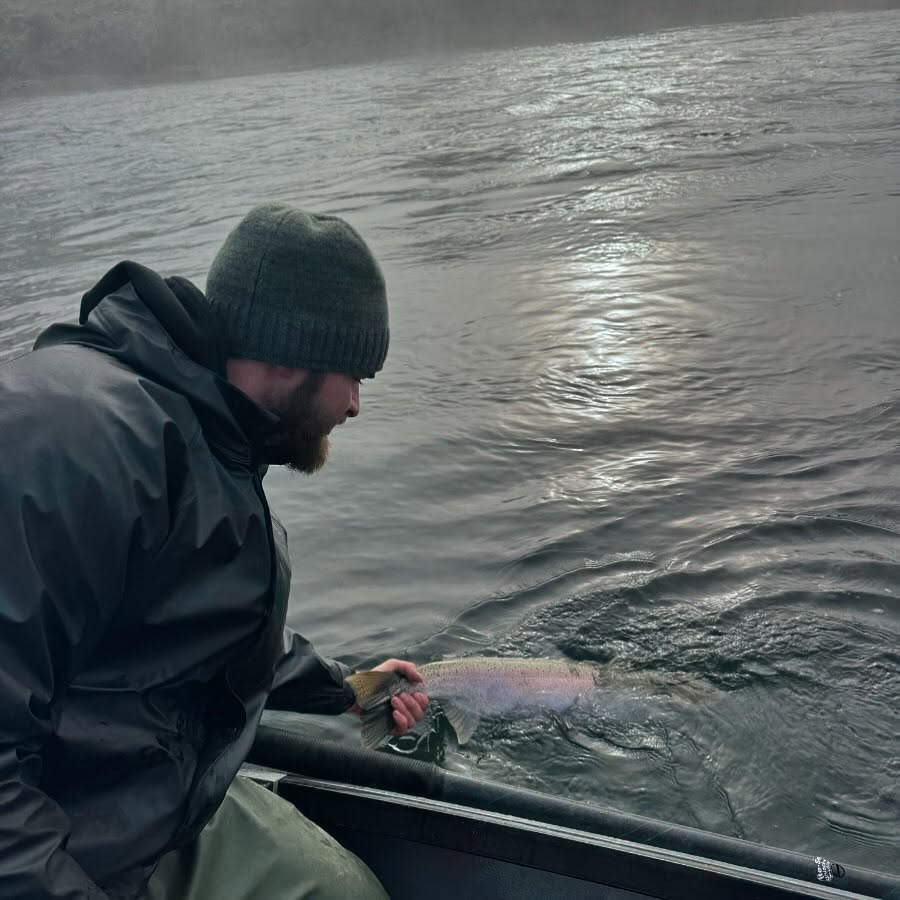
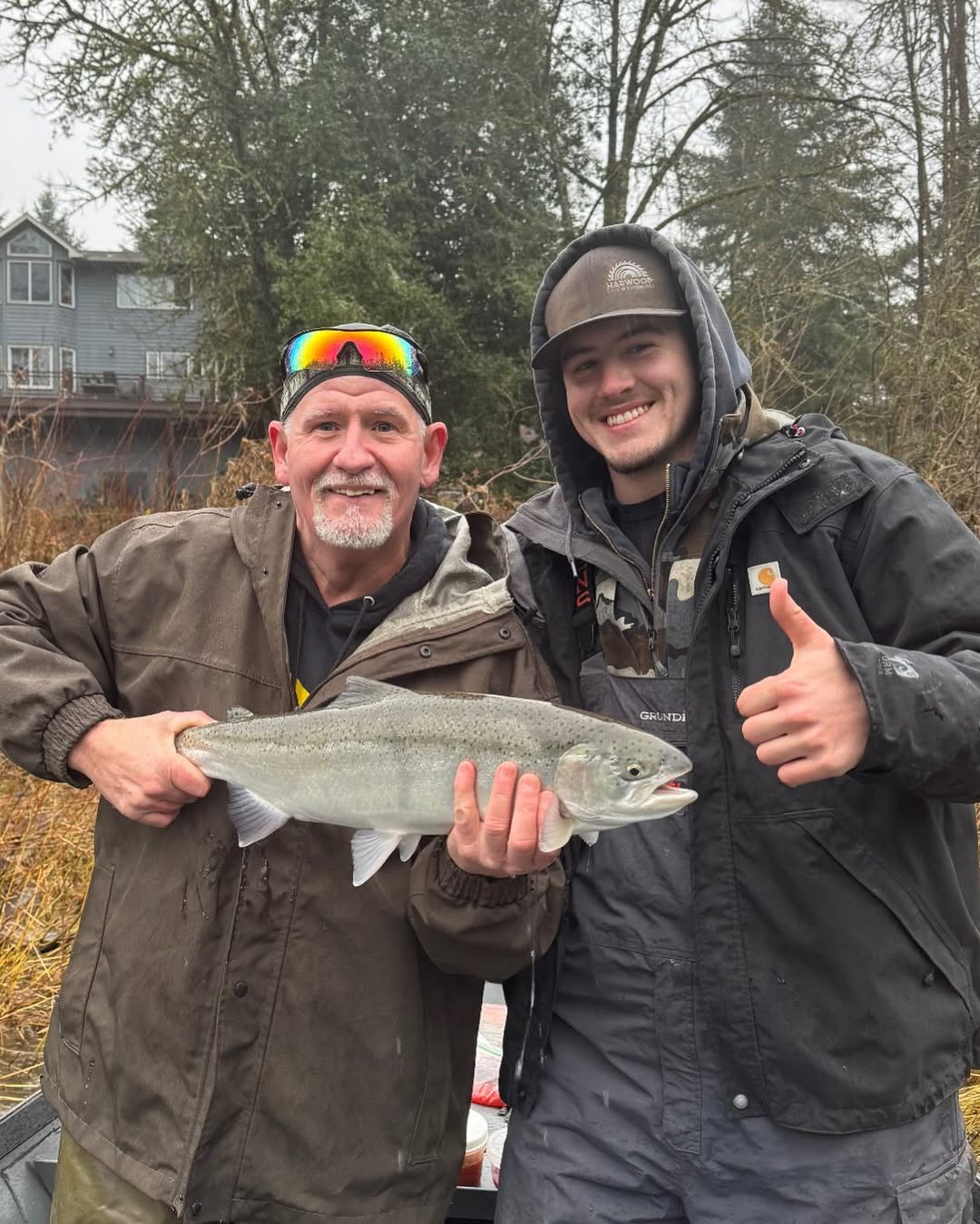
River Action Shots
Rogue/Umpqua River Guided Fishing Trip
Picture this: you're drifting down some of Oregon's most famous salmon and steelhead water at first light, working prime runs with a seasoned captain who knows exactly where the fish are holding. This 6-hour guided trip on the Rogue and Umpqua rivers hits that sweet spot between a quick half-day outing and a marathon full-day adventure. Starting at 7 a.m. when the water's cool and the fish are active, you'll have plenty of time to dial in your technique and work multiple productive stretches without feeling rushed. The drift boat setup keeps things comfortable while giving you access to water that walk-in anglers can only dream about reaching.
What to Expect on the Water
Your morning starts early because that's when the magic happens on these rivers. The captain meets you at the launch with everything ready to go – rods rigged, tackle sorted, and a game plan based on recent conditions and fish movement. You'll cover serious ground in the drift boat, hitting known producers and adjusting tactics as you read the water together. The beauty of this 6-hour window is having time to really work each spot instead of just making a few casts and moving on. Whether you're a first-timer learning to read water or an experienced angler fine-tuning your drift technique, the captain adapts the approach to match your skill level. The Rogue and Umpqua offer different character – the Rogue with its boulder gardens and deep pools, the Umpqua with its broader runs and gravel bars. Both rivers hold incredible fish, and your guide knows which water to hit based on season, weather, and what's been producing lately.
Drift Fishing Techniques
All the gear comes with the trip, but here's what you'll be working with and why it matters. The captain sets you up with medium-heavy rods that can handle the fight these fish put up while still giving you the sensitivity to feel subtle takes. The drift boat lets you cover water systematically, working downstream through runs where salmon and steelhead stage up. You'll learn to read current seams, identify holding water, and adjust your presentation based on depth and flow. The technique varies depending on what's running – maybe you're bouncing eggs along the bottom for chinook, swinging flies through steelhead lies, or working spinners in the current breaks. Your guide handles boat positioning so you can focus on fishing, but don't be surprised if you pick up some river reading skills along the way. The setup is perfect for two anglers since there's room to work without tangling lines, and the captain can give personalized coaching to help you connect with more fish.
Species You'll Want to Hook
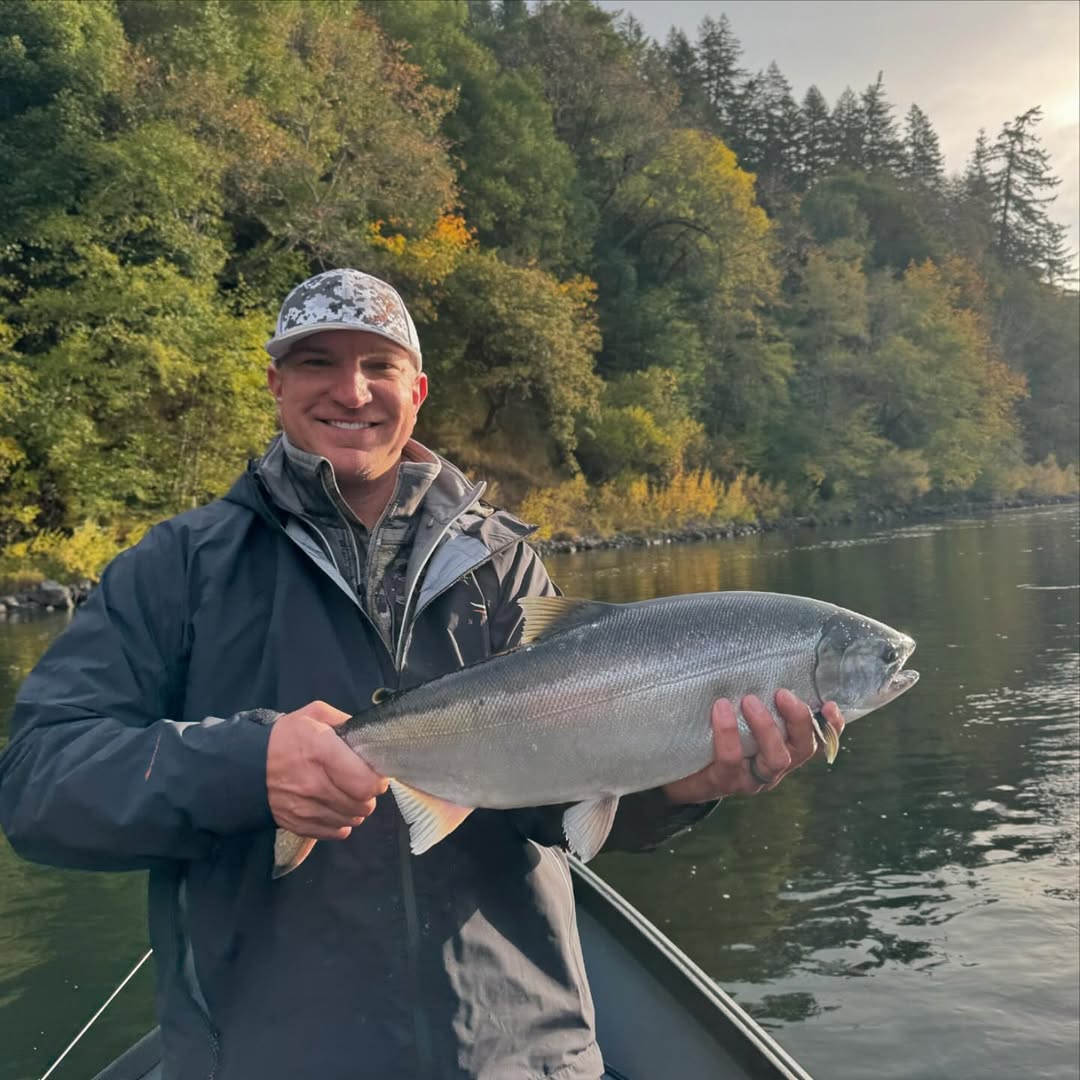
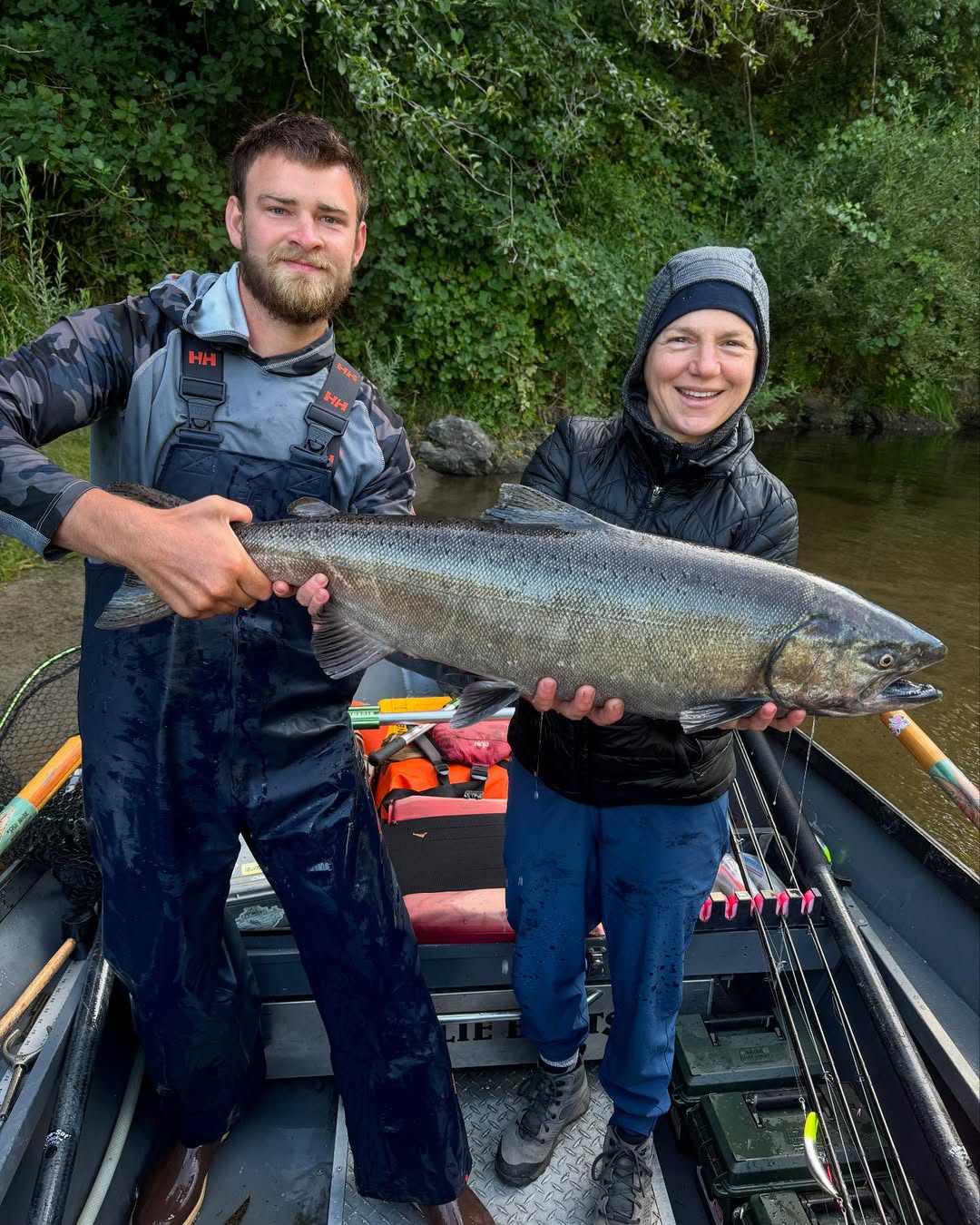
Chinook salmon are the kings of these rivers for good reason. These powerful fish can push 30 pounds or more, and when one grabs your line, you'll know it immediately. Fall brings the best chinook action on both rivers, with fish staging in deeper pools before making their spawning runs. They're aggressive feeders early in the season and will hammer properly presented baits. The fight is what legends are made of – long runs, head shakes, and enough power to test your drag system. What makes chinook special here is the pristine habitat these rivers offer, producing chrome-bright fish that haven't lost their ocean strength.
Coho salmon might be smaller than their chinook cousins, but they make up for it with aerial acrobatics that'll get your heart pumping. These silver rockets love to jump, and a hooked coho will often clear the water multiple times during the fight. They typically run 8 to 15 pounds in these systems, and they're known for their aggressive strikes and fast runs. Coho timing is more compressed than chinook, usually peaking in late summer and early fall. They tend to hold in slightly different water than chinook, often favoring the tailouts of pools and faster current edges. The beauty of targeting coho is their willingness to hit a variety of presentations, from spinners to flies to bait.
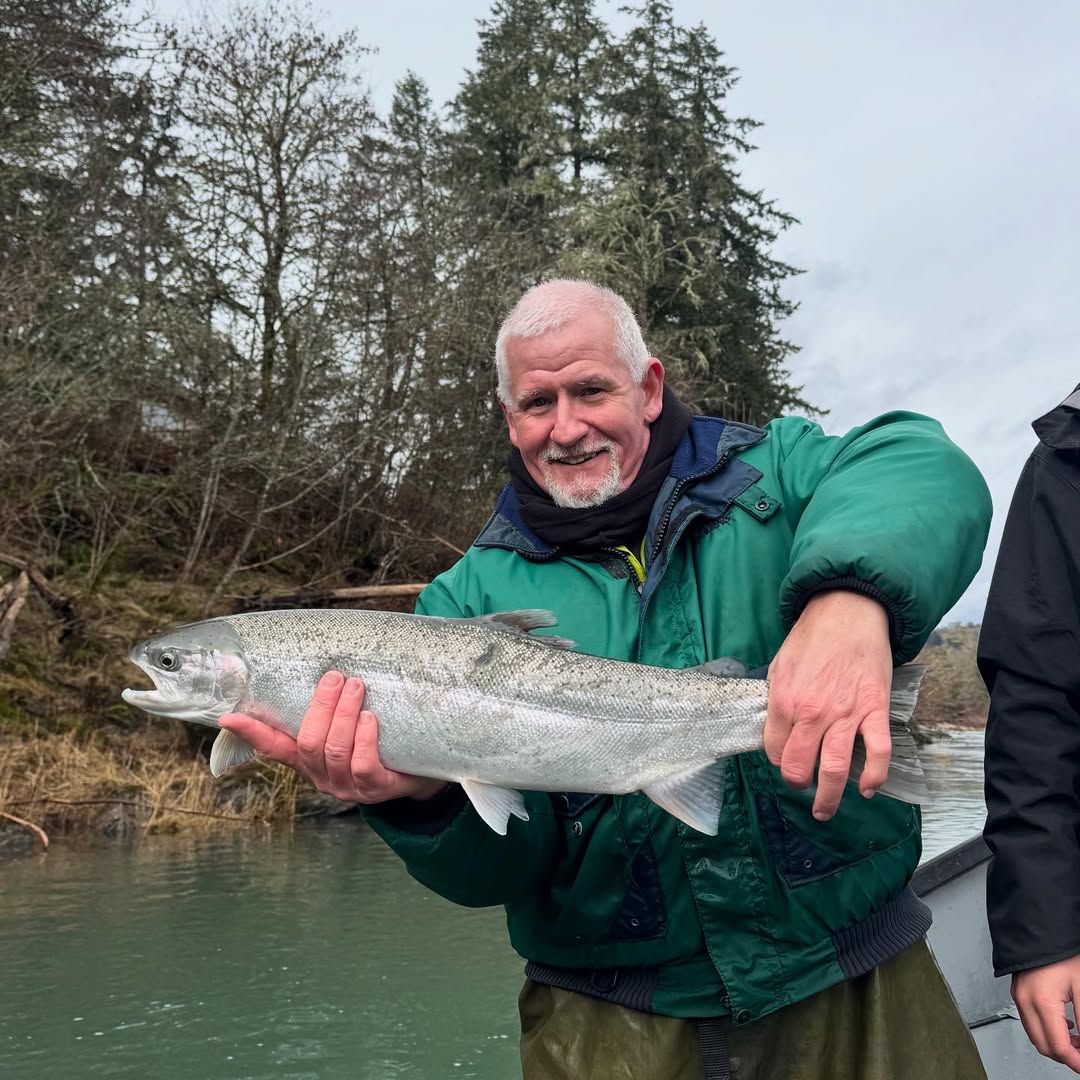
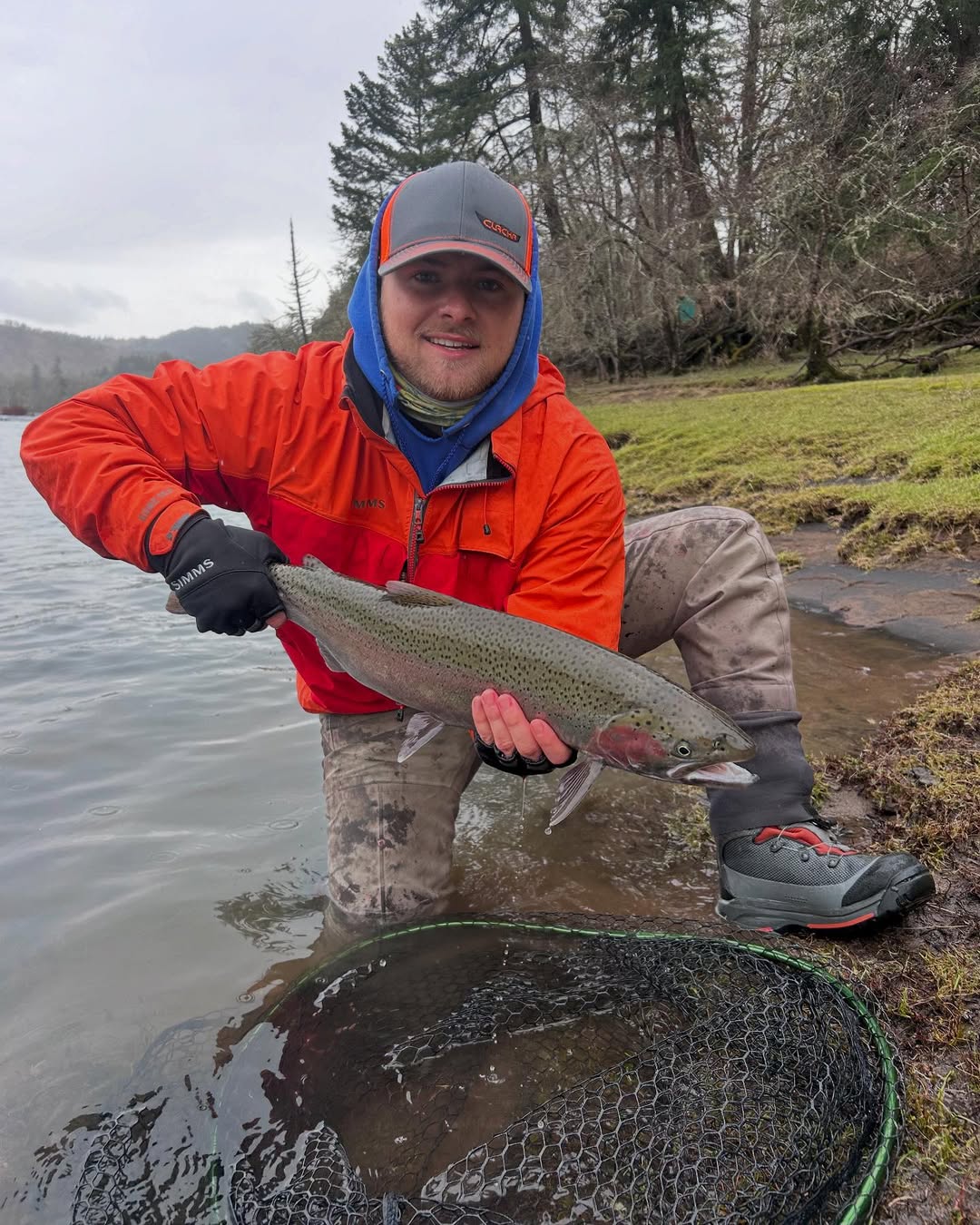
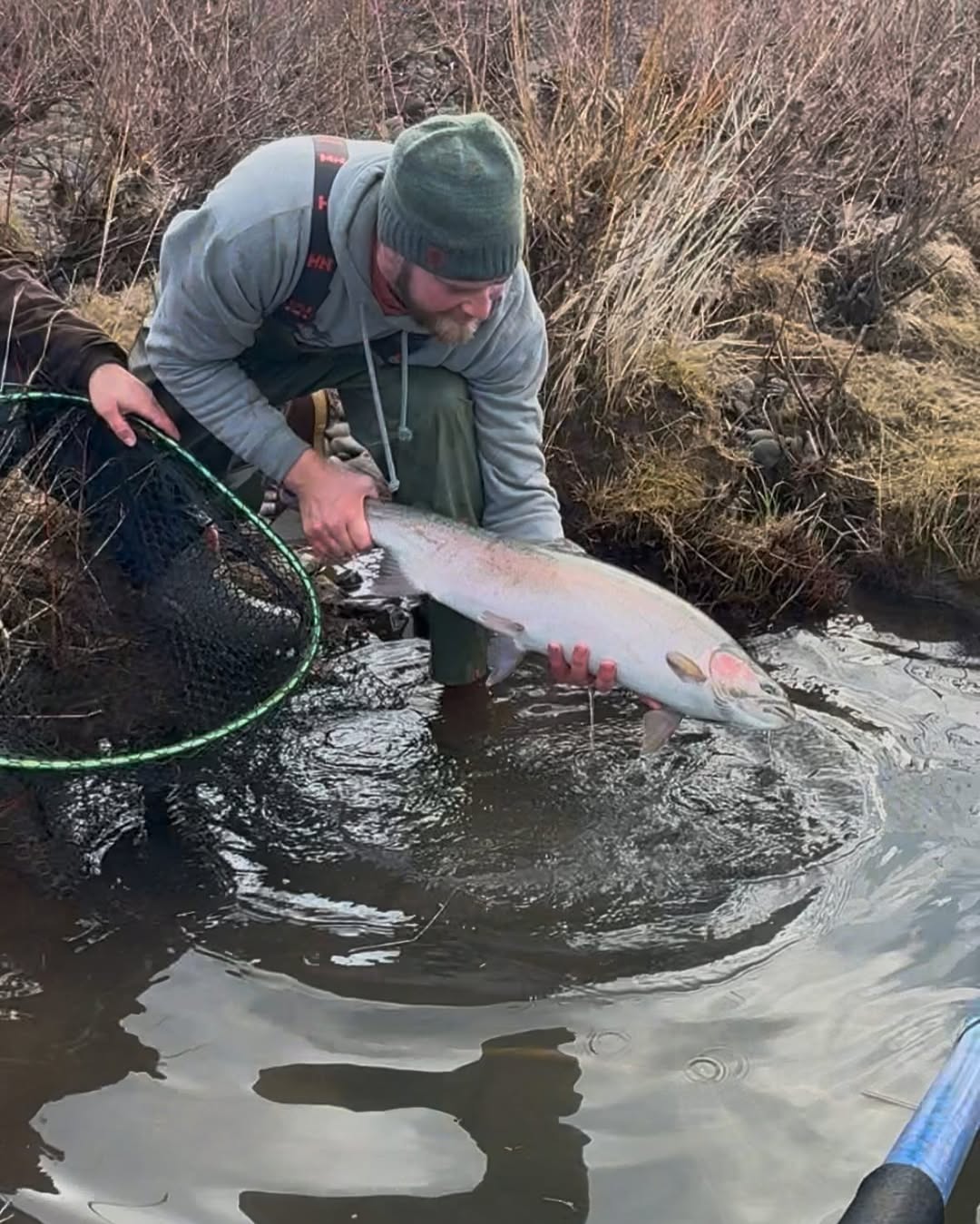
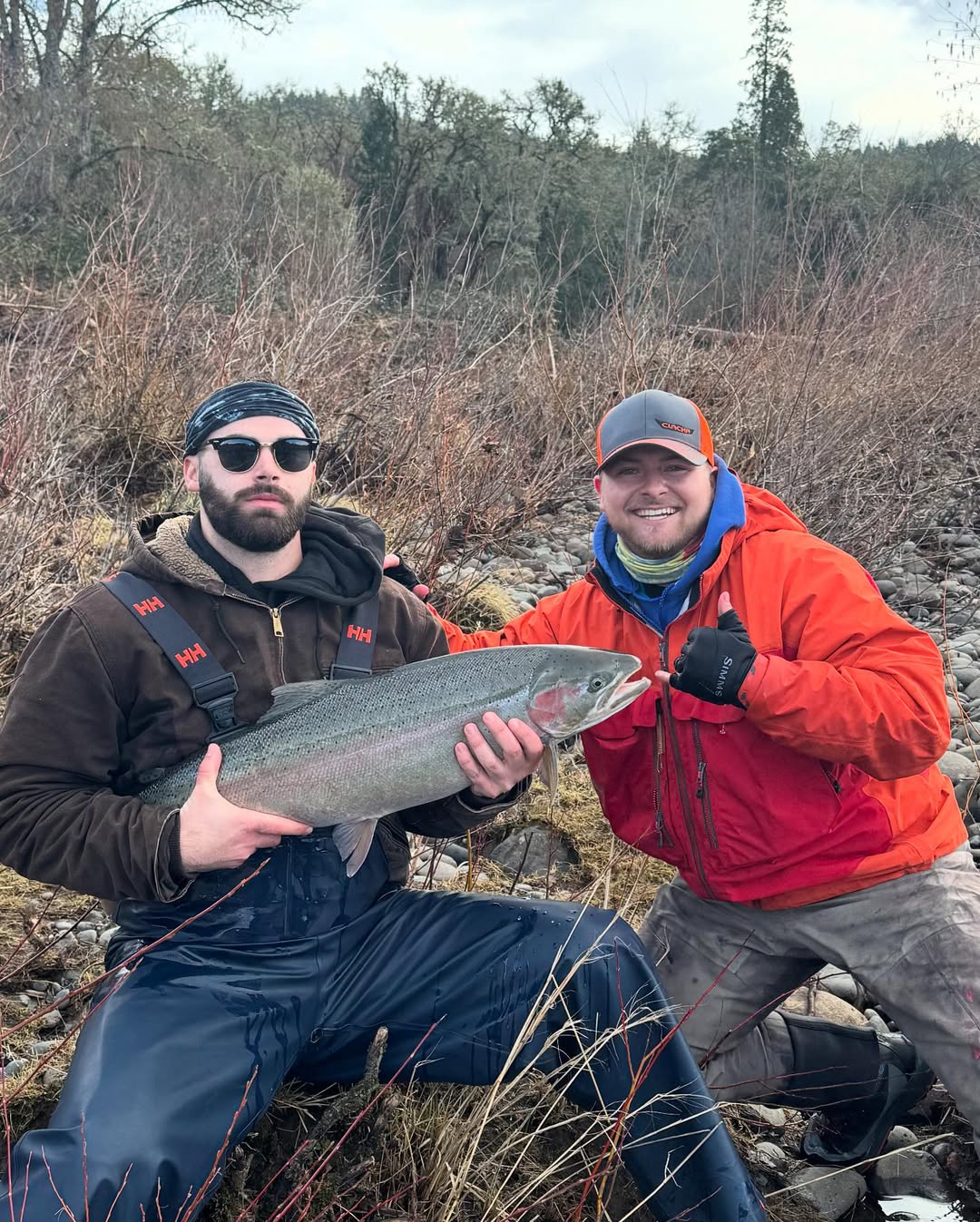
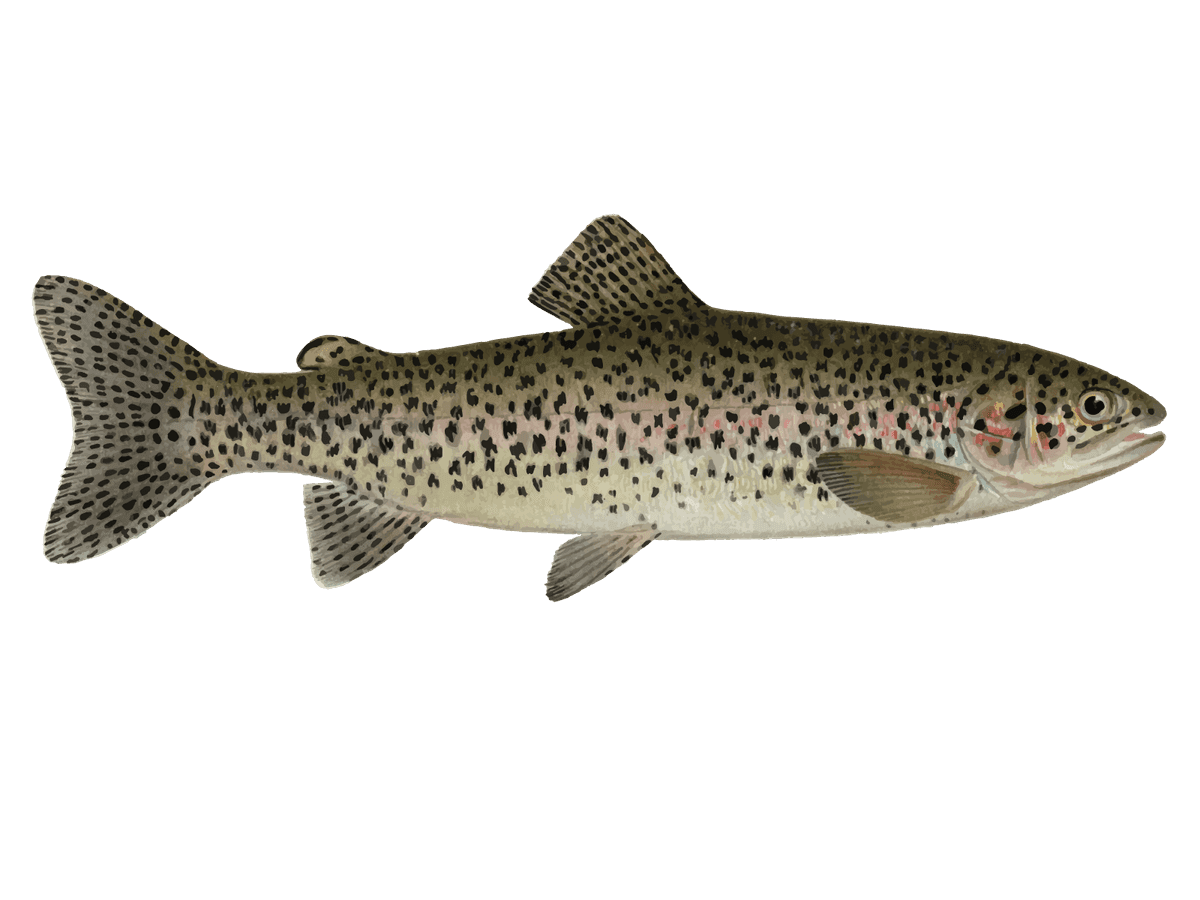
Steelhead trout are the reason many anglers become obsessed with river fishing. These sea-run rainbows combine the fight of an ocean fish with the cunning of a trout, making them one of the most challenging and rewarding species to target. Winter steelhead runs on these rivers can produce fish from 6 to 20-plus pounds, with chrome-bright fish fresh from the ocean mixed with darker fish that have been in the river longer. Summer steelhead offer a different experience – typically smaller but incredibly acrobatic and often more willing to take surface presentations. What makes steelhead fishing addictive is their unpredictability. One might grab your offering aggressively while another barely ticks the line. The technique required to consistently hook steelhead teaches you to become a better angler overall.
Time to Book Your Spot
This 6-hour trip delivers the best of Oregon river fishing without the commitment of a full day on the water. You get serious time to work productive runs, learn from an experienced guide, and target some of the Pacific Northwest's most prized fish species. The early start means you're fishing prime time hours when the water's cool and the fish are most active. All gear is included, the boat is comfortable, and you'll come away with skills that'll serve you well on future river adventures. The Rogue and Umpqua rivers consistently produce quality fish, and with a knowledgeable captain reading the water and putting you on the best spots, you're setting yourself up for success. Keep in mind that deposits are non-refundable, so check the weather and make sure your dates work before booking. But with Oregon's world-class river fishing waiting, this trip is your ticket to some of the best salmon and steelhead action on the West Coast.
Learn more about the species
Chinook Salmon
King salmon are the heavyweights of the river, averaging 15-20 pounds with some pushing 30+. These silver-sided bruisers with black-spotted backs stay deep in the water column, especially during bright conditions. They hit hard and fight harder, making long runs that'll test your drag. Best fishing happens early morning or evening when they move up from the deeper holes. Fall runs bring fresh chrome-bright fish up from the ocean that are absolute dynamite on the dinner table. The key with kings is getting your bait or lure down to the bottom where they're holding - they won't come up to chase anything. I always tell clients to fish low and slow, and when you feel that heavy pull, hang on tight because you're in for a battle.
Coho Salmon
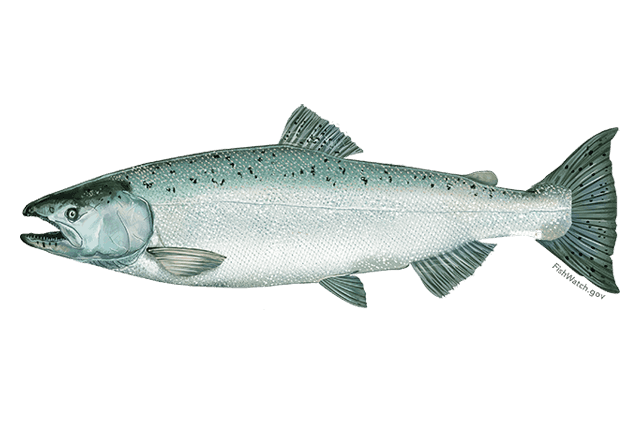
Silver salmon are pure acrobatics once hooked - these 8-12 pound fighters will jump clean out of the water trying to throw your hook. They're smaller than kings but make up for it with attitude and aerial shows that keep things exciting. Look for them in the calmer water behind boulders and under fallen trees where they like to hold. Coho have bright silver sides with dark backs and love the early morning bite when the water's cool. Their orange-red meat makes for some of the best eating you'll find. Fall brings the best action when fresh fish are moving upriver. Pro tip: when a coho jumps, bow to the fish by dropping your rod tip - it keeps tension on the line while giving them slack to land. Keep that drag smooth because they can make some serious runs between jumps.
Steelhead Trout
Steelhead are the ultimate river prize - sea-run rainbows that average 24 inches and fight like fish twice their size. These chrome bullets spend years in the ocean before returning to spawn, making them incredibly strong and stubborn. They love deep runs with good current and will hold behind rocks or in tailouts where the water slows down. Winter and spring offer the best action when fresh fish are moving through. What makes steelhead special is their unpredictability - they might slam your offering or follow it for fifty yards before deciding. The fight is legendary, with long runs and head-shaking jumps that can last ten minutes. My advice: fish your drift all the way through because steelhead often hit right at the end when you think the presentation is over. These fish have incredible eyesight, so keep your approach quiet.
About the Robles Sport Fishing
%2F%2Fusers%2Fb99902d8-f96b-4658-81e6-89ce367ceaf6%2Fvehicle_picture%2Fsnapinsta.to_476037139_17845864491406622_2946650679886521878_n-miqu5ebo.jpg&w=1200&q=75)
Vehicle Guest Capacity: 2
Manufacturer Name: yamaha
Maximum Cruising Speed: 20
Number of Engines: 1
Horsepower per Engine: 8